Why I Started Shooting Underexposed
Photography trends come and go, but the way light behaves has never changed. Over time, through trial, error, and a lot of intentional slowing down, I found myself naturally shifting toward shooting slightly underexposed, and it completely changed the quality of my work.
This wasn’t about chasing a style for the sake of style. It was about preserving detail, protecting light, and creating images that feel clean, intentional, and timeless.
Starting With the Lowest ISO Possible
One of the biggest changes I made was committing to the lowest ISO I could reasonably use for each scene. ISO has a massive impact on image quality, especially when it comes to grain and loss of fine detail. While modern cameras handle higher ISO better than ever, noise still creeps in, especially in shadows, skin tones, and skies.
By prioritizing a low ISO, I’m able to preserve fine textures such as skin, fabric, and hair. Keep skies smooth and clean. Avoid muddy shadows and color noise. Maintain flexibility in post-processing without degrading quality.
Using Shutter Speed to Control Exposure Without Sacrificing Detail
Instead of relying on ISO to brighten an image, I use shutter speed strategically. I slow it down only as much as I safely can, keeping it fast enough to freeze important details.
This matters more than people realize. Whether it’s tiny particles of snow in the air, water droplets during movement, hair catching light, or subtle motion in fabric, a shutter speed that’s too slow can soften those details, while a shutter speed that’s too fast can force unnecessary ISO increases. Finding that balance allows me to brighten the image while still preserving clarity and crispness.
Protecting Highlights and Bright Tones
One of the biggest reasons I shoot underexposed is to protect highlights, especially skies, snow, light clothing, and skin highlights. Once highlights are blown, they’re gone. No amount of editing can truly bring that detail back.
Shooting slightly underexposed allows me to keep clouds textured, preserve detail in white or light-colored clothing, avoid harsh blown highlights on skin, and maintain depth and dimension in bright environments.
Why Underexposed Images Edit Better
An image that’s slightly underexposed but clean will almost always outperform an image that’s perfectly bright but noisy or blown out. When I lift exposure in editing, grain is minimal, colors remain accurate, contrast feels intentional rather than forced, and details stay intact.
Aperture Trends vs. Intentional Choices
Higher f-stop is very in right now, and I completely understand why. They offer sharpness across the frame and a more documentary feel. I appreciate that look, and there are times when it’s exactly the right choice.
That said, I still love a wide aperture. A wider aperture separates the subject from the background, draws the eye naturally, adds depth and dimension, and helps the image feel more refined and intentional.
A wide aperture allows the subject to stand apart from the background, keeping the focus where it belongs in emotional, people-centered photography.
Carousel Example: Seeing the Difference
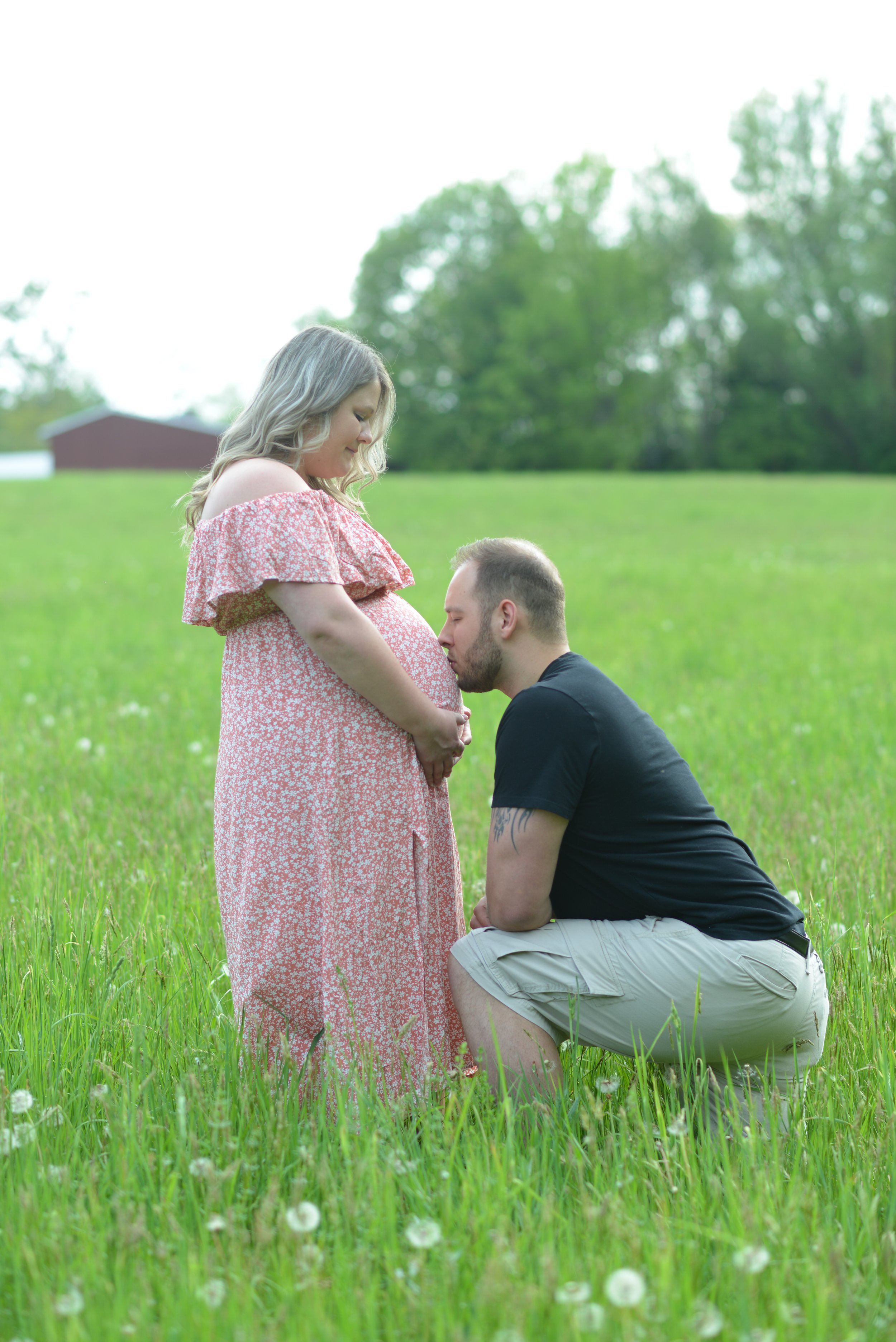
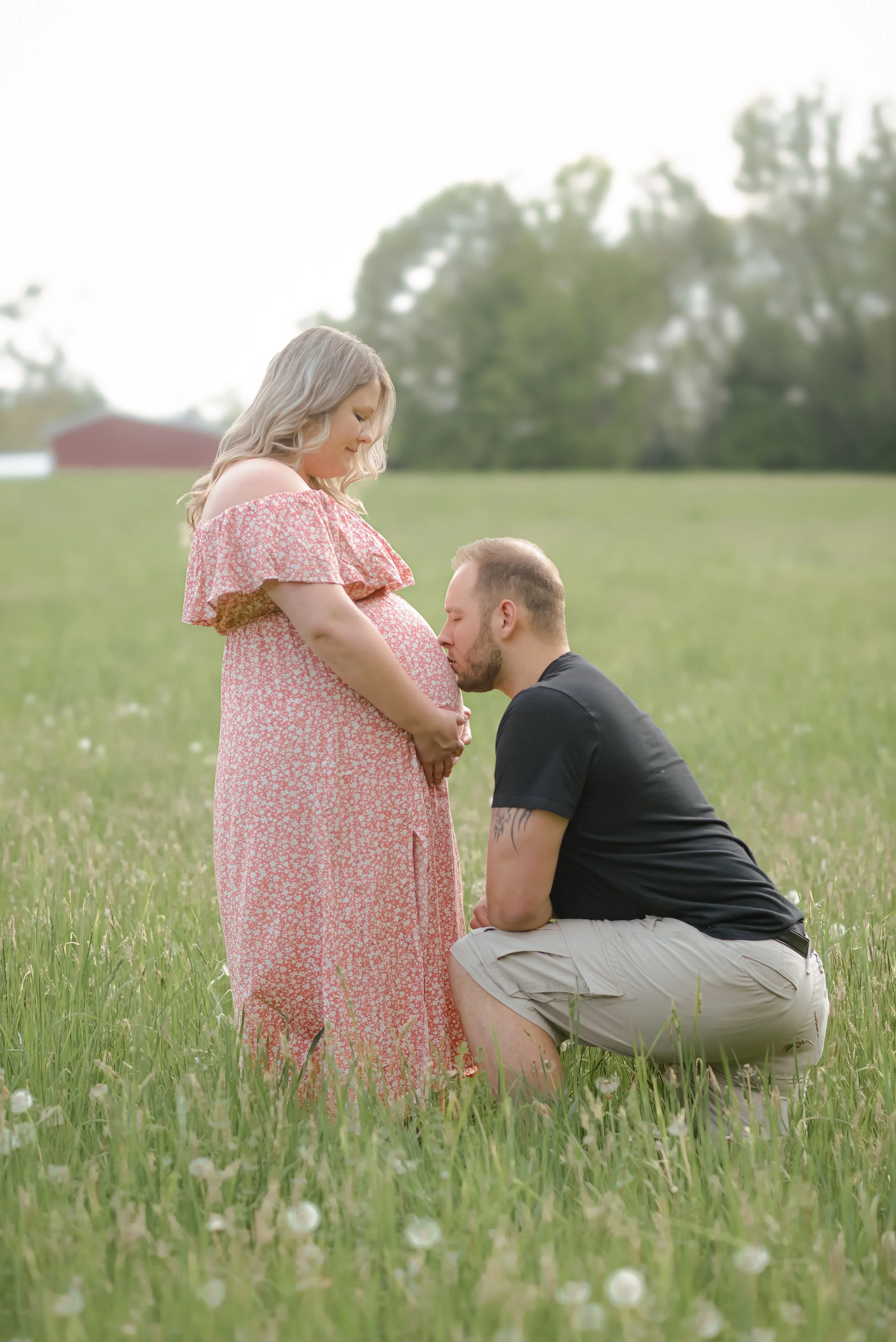
To illustrate the difference, I added a carousel of four images. The first two show the same photo before and after editing, but the original photo wasn’t shot like I would today. It is slightly overexposed, blowing out the sky and some of the details in the image. Even after editing, it doesn’t capture the same richness and depth that the later photos do.
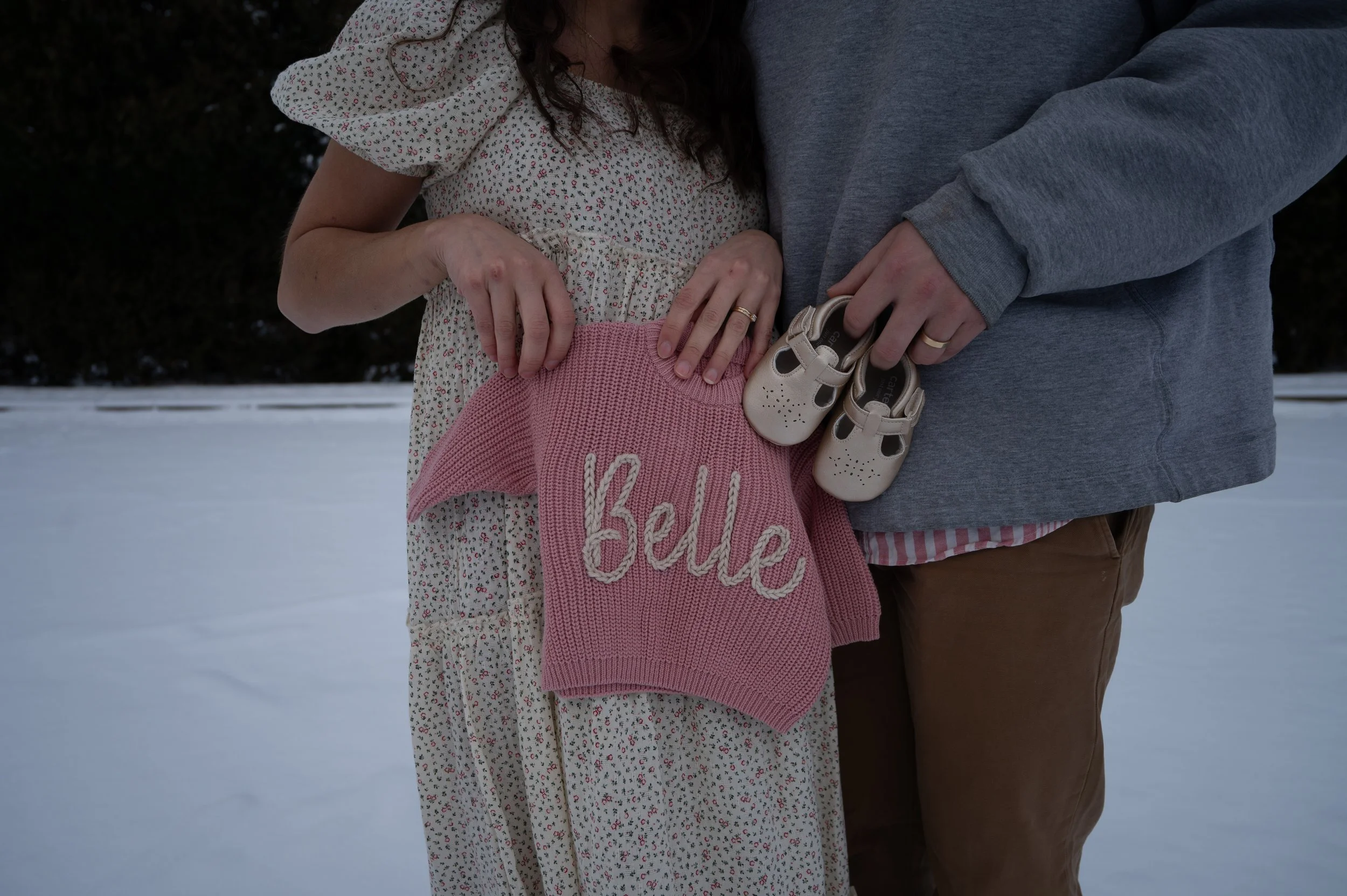
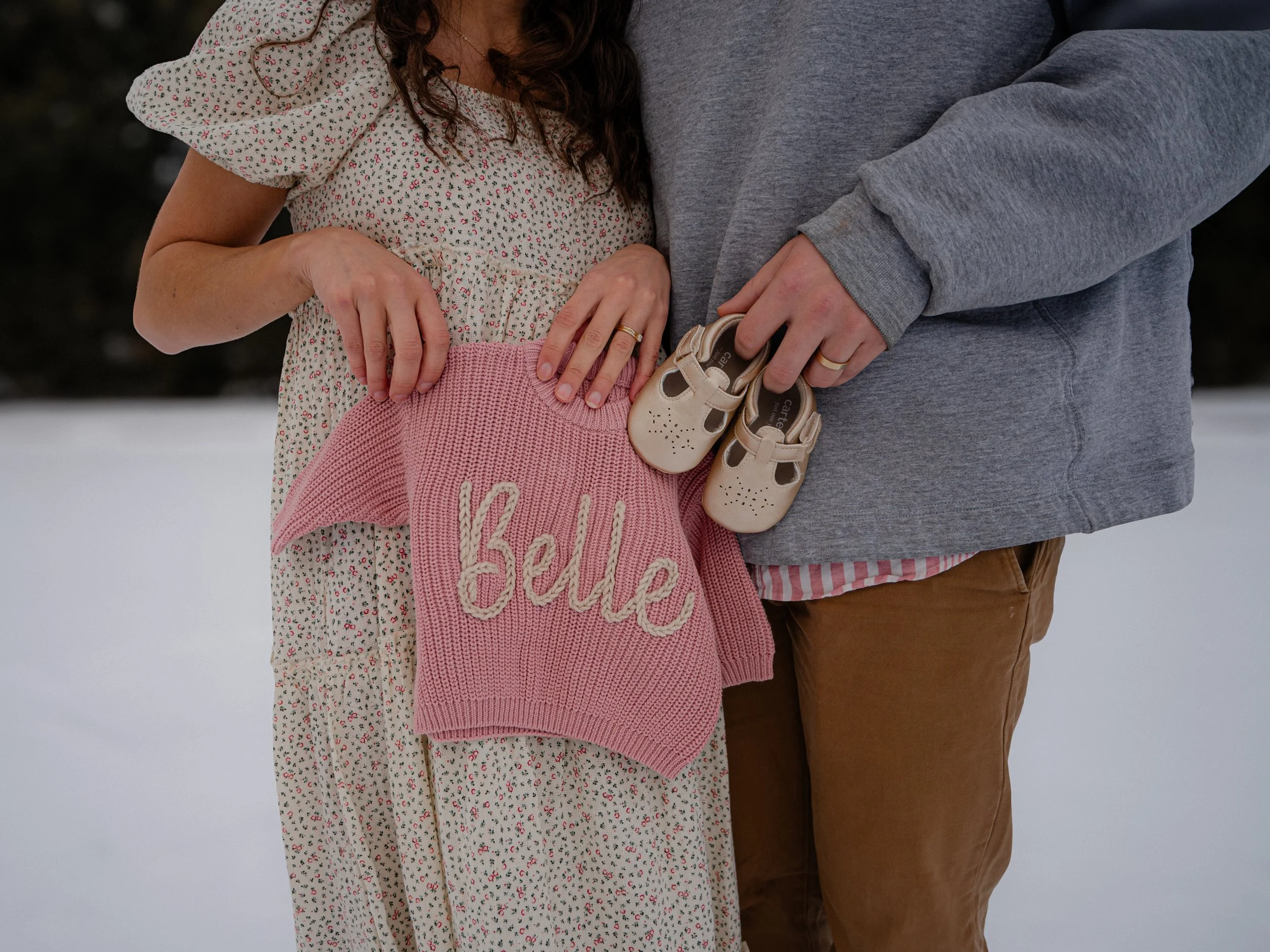
The third and fourth images in the carousel show a recent photo shot underexposed. The before image starts darker, but the after edit comes out with incredible detail, creamy textures, true-to-life color, and much more depth. The final image in this set clearly demonstrates the impact of shooting underexposed: preserving more information in the scene results in a stronger, richer, and higher-quality photograph overall.
The Bigger Picture: Intentional Over Trendy
Shooting underexposed isn’t about dark images or dramatic moods. It’s about intention. It’s about understanding how light, motion, and camera settings work together to preserve as much detail as possible.
By combining low ISO, carefully chosen shutter speed, intentional aperture choices, and slight underexposure, I’m able to deliver images that are cleaner, sharper, and more timeless, images that hold up not just on social media, but in print and over time.
At the end of the day, my goal isn’t to follow trends. It’s to create photographs that feel intentional, high-quality, and emotionally grounded, no matter the season, the light, or the setting.